
🎁 Nhập mã www.bepxanhhanhphuc.store để được giảm 10%!
choáng club have transcended cultural boundaries to become a worldwide phenomenon, influencing art, storytelling, and pop culture at large. These intricate and diverse comics originate from Nhật Bản but now enjoy readership in every corner of the globe, shaping trends, inspiring adaptations, and fostering cross-cultural exchanges. As a dynamic art form, manga continue to evolve, balancing traditional techniques with modern digital innovations, making them a compelling subject of study for fans, scholars, and industry insiders alike.
choáng club are more than just entertainment; they function as a mirror to Japanese society and serve as a cultural ambassador worldwide. The global embrace of manga reflects a remarkable blend of storytelling styles, artistic diversity, and thematic richness that appeals universally. Their reach has grown exponentially over recent decades, creating a vibrant community of enthusiasts who appreciate the nuances that make manga uniquely captivating—from their layered narratives to their iconic visuals.
International fans often find themselves immersed in a world where cultural authenticity meets creative freedom, fostering empathy and curiosity about Japanese customs, language, and history. The accessibility of manga via various platforms—print, digital, and translation—has democratized access to these comics, turning manga into a shared language that bridges cultures and sparks conversations. Their influence on global truyền thông media, fashion, and even academia underscores their significance as a cultural export that continues to expand its footprint worldwide.
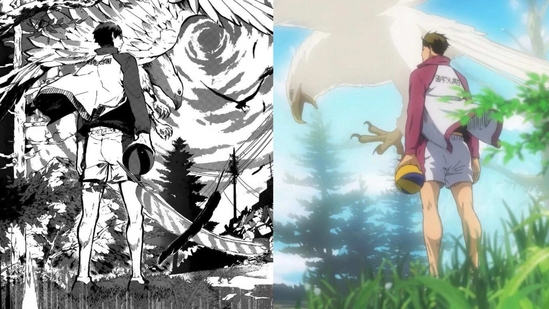
The roots of choáng club can be traced back to Nhật Bản’s Edo period, specifically to ukiyo-e woodblock prints, which depicted everyday life with artistic elegance and narrative depth. These early visual stories laid the groundwork for modern manga, blending storytelling with artistic expression and fostering a rich tradition of visual narrative. Over centuries, this tradition evolved through caricatures, satirical sketches, and illustrated stories, gradually shaping the manga’s distinctive style.
The emergence of modern manga as we know it began in the late 19th and early 20th centuries, influenced by Western art and storytelling techniques. Post-World War II, manga exploded in popularity with iconic creators like Osamu Tezuka—the "God of Manga"—whose innovative storytelling and cinematic panel layouts revolutionized the medium. From scathing mạng phường hội commentaries to fantastical worlds, manga grew in complexity, variety, and artistic sophistication, making it a vital cultural force that continues to thrive and innovate.

choáng club showcase a captivating array of styles and genres tailored to diverse tastes and age groups. From the sleek, expressive lines of shonen manga aimed at young boys to the refined, atmospheric artwork of seinen manga for adult readers, each style serves a unique narrative purpose. Genres range widely—from action, fantasy, and horror to romance, slice-of-life, and psychological thrillers—ensuring there's something for everyone.
What makes manga engaging is its genre-blending capacity; many series blend elements of comedy, mystery, science fiction, and even historical themes, creating layered stories that appeal to a broader spectrum of readers. Artists often develop distinctive character designs and visual motifs that become synonymous with their work, making genre recognition intuitive for fans. Recognizing these styles not only enhances appreciation but also aids in navigating the vast manga landscape, fostering more meaningful connections with the material.
Manga’s storytelling prowess hinges on its masterful use of panel layouts, pacing, and visual language. Unlike Western comics, manga typically employs vertical reading orientation, which influences panel structuring and narrative flow, creating a rhythm that guides the reader’s eye smoothly through the plot. Artists often manipulate panel sizes—using large, detailed panels for dramatic moments and smaller sequences for quick actions—to evoke specific emotional responses or build suspense.
Artistically, manga employs a variety of techniques—from expressive facial expressions and dynamic action lines to intricate backgrounds and symbolic motifs—to deepen narrative layers. The combination of minimalist and detailed shading styles helps convey mood and atmosphere, while the inventive use of screentones adds texture without overwhelming the scene. Together, these elements craft an immersive experience, making manga a visually dynamic storytelling medium that balances artistic innovation with narrative clarity.
Xem thêm: https://www.namkhanhplasticbag.com/kg88---nhung-bi-mat-20251122.html
Japanese culture deeply informs the themes, values, and aesthetics of manga, giving the medium its distinct flavor. Many manga explore traditional Japanese settings, folklore, and societal norms—yet they often reinterpret these elements through modern lenses, blending old with new. Respect, family bonds, honor, and spiritual themes frequently surface, reflecting core cultural values embedded in Japanese society.
Moreover, manga often serve as a reflection of contemporary societal issues—such as gender roles, technological advances, and political tensions—making them both a mirror and a commentary on Japanese life. Artists incorporate cultural symbolism, language nuances, and historical references to enrich storytelling, fostering a deeper understanding of Nhật Bản’s cultural fabric. This interweaving of tradition and modernity contributes to manga’s authenticity and global appeal, providing insight into a society that values harmony, perseverance, and aesthetic beauty.
Some manga series transcend their pages to become cultural icons, each crafted by visionary creators whose storytelling prowess has left indelible marks on the medium. Titles like Akira, One Piece, Naruto, and Dragon Ball began as simple comics but grew into vast franchises with global fanbases, remakes, and adaptations. These series are characterized by compelling characters, innovative world-building, and themes that resonate universally—ranging from friendship and resilience to justice and adventure.
Behind these beloved titles are creators whose artistic styles and narrative ingenuity shape their success. Osamu Tezuka revolutionized manga with Astro Boy, setting standards for character development and pacing. Eiichiro Oda’s One Piece exemplifies intricate plotting and humor, while Masashi Kishimoto’s Naruto explores themes of self-discovery and perseverance. Studying these works reveals how individual creativity can elevate manga to new heights, inspiring generations of readers, artists, and writers.
Manga and anime nội dung an intricate relationship—mutually influential mediums that have propelled Japanese pop culture onto the global stage. Many popular anime series originate from manga, serving as visual blueprints and narrative frameworks that translate complex stories into animated form. Conversely, successful anime often boost manga sales, creating a symbiotic cycle that advances the industry.
This symbiosis extends beyond mere adaptation; manga’s distinct visual language—character expressions, action sequences, panel dynamics—directly influences anime production. Conversely, animation allows for new storytelling techniques—voice acting, motion, and sound—to augment the manga’s narrative depth. This relationship exemplifies how Japanese comics and animation synergize, fostering innovation and expanding the cultural reach of choáng club, as they continue to inspire new forms of multimedia storytelling.
The manga market has experienced unprecedented growth, driven by increasing international demand, digital distribution, and diverse nội dung offerings. Trends such as web manga, crowdfunding for new series, and global licensing have globalized manga consumption, breaking down regional barriers and introducing new markets. The proliferation of digital platforms—like VIZ's Shonen Jump, Manga + Plus, and other apps—has democratized access, making manga readily available to a worldwide audience.
Statistics reflect this boom: sales figures show consistent growth in both physical copies and digital subscriptions, with younger demographics eagerly embracing manga’s visual storytelling. The rise of manga cafés, conventions, and online communities further fuels the ecosystem, fostering engagement and cultural exchange. This expansion signals a vibrant future for manga, where technological innovation and expanding readership continually redefine how Japanese comics are created, distributed, and enjoyed across the globe.
The translation and localization of choáng club have been instrumental in expanding their global footprint. Skilled translators not only convert language but also adapt cultural references, humor, and nuances to resonate with international readers. This process requires a deep understanding of both Japanese culture and the target audience to preserve the original’s spirit without losing context or impact.
Additionally, technological advancements—such as scanlations, official digital releases, and multilingual platforms—have made manga more accessible than ever. These efforts have democratized access while generating discussions about intellectual property and cultural sensitivity. As the global appetite for manga continues to grow, ongoing innovations in translation and distribution will shape its future, making these Japanese comics even more integral to the world’s cultural conversation.
Looking ahead, the future of choáng club is poised for exciting innovations driven by technological advancements. Augmented reality (AR), virtual reality (VR), and interactive storytelling are beginning to influence how manga is created and consumed, offering immersive experiences that blend traditional art with digital interactivity. Digital platforms are also fostering more independent creators, democratizing manga production and diversifying available nội dung.
Storytelling itself is evolving—embracing more complex narratives, diverse voices, and experimental formats that challenge conventional boundaries. The rise of web manga and reader-driven nội dung allows for real-time feedback and community engagement, shaping the direction of future series. As manga continues to adapt and innovate in response to technological shifts and audience expectations, it will undoubtedly maintain its relevance and cultural influence, inspiring new generations of fans and creators worldwide.
choáng club stand as a dynamic, culturally rich art form that has grown from traditional Japanese roots into a global powerhouse, influencing storytelling, animation, and pop culture worldwide. Their history showcases a remarkable evolution—from ukiyo-e prints to iconic modern masterpieces—while their diverse styles and genres reflect both traditional values and contemporary innovation. With key characteristics like panel artistry, imaginative storytelling, and emotional depth, manga continue to captivate audiences across generations. The integration of Japanese cultural themes and values lends authenticity and richness to these comics, resonating universally. Iconic series and creators exemplify manga’s creative potential, and its influence on anime highlights the synergy within Japanese truyền thông media. As the market expands, driven by digital platforms and global readership, manga’s accessibility and appeal are poised to grow further, with future innovations enhancing storytelling and distribution. Overall, choáng club remain a vital cultural force, forever evolving and inspiring the world—a testament to the enduring power of visual storytelling.


.jpg/250px-Mervyn_King_Darts_Actueel_2022_(cropped).jpg)